We perform environmental noise surveys with reference to SANS 10103:2008, The Measurement and Rating of Environmental Noise with respect to Annoyance and to Speech Communication. Project-specific requirements should be confirmed before work begins.
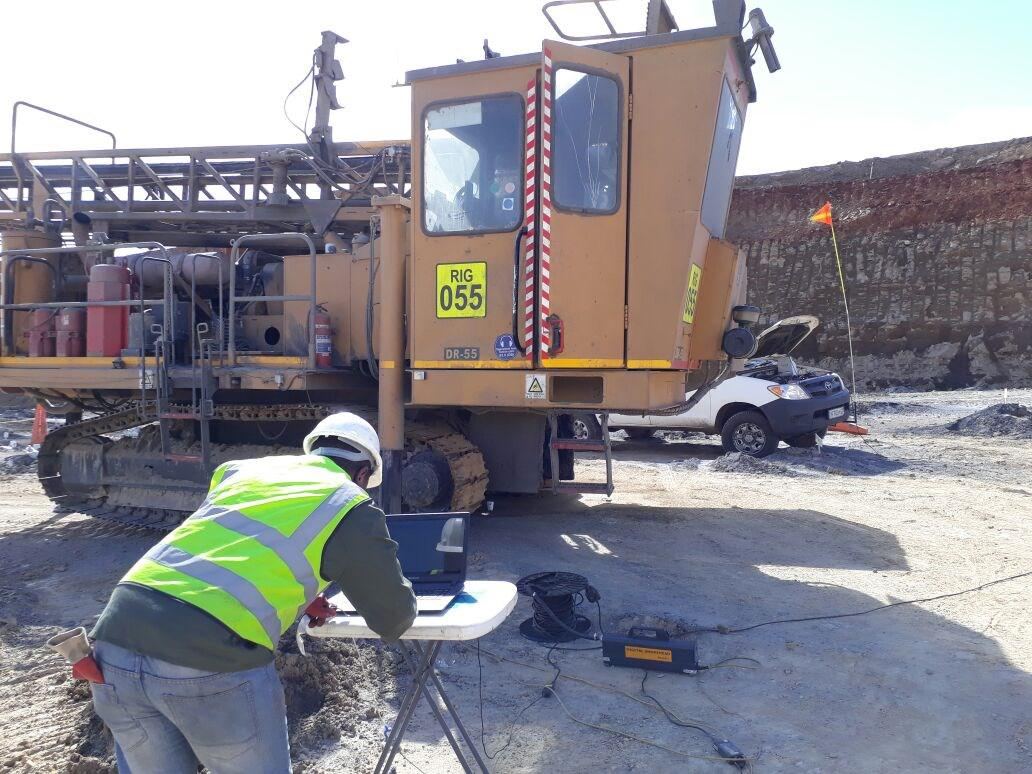
Services within this scope
Environmental noise surveys
We perform environmental noise surveys in accordance with SANS 10103:2008, “The Measurement and Rating of Environmental Noise with respect to Annoyance and to Speech Communication”.
Site-specific sampling
Ambient sound levels are measured with a sound level meter at identified localities along the property perimeter and in the surrounding community, for a minimum of ten minutes per point.
- Daytime measurements between 06:00 and 22:00
- Night-time measurements between 22:00 and 06:00
- Perimeter and community measurement points
Reporting support
Captured sound levels are compared with local and international standards in a noise monitoring report, with recommendations where possible to manage and mitigate noise-generating activities before they reach pollution levels.
Process and deliverables
01 / Scoping
- Ambient sound level measurements are proposed to be undertaken at various points along the perimeter of the property and in the surrounding community.
02 / Site sampling
- Daytime and night-time measurements being undertaken during the prescribed timeframes in SANS 10103:2008, which specifies daytime monitoring between 06:00 and 22:00, and night-time monitoring between 22:00 and 06:00.
03 / Report
- We compare the captured sound levels to local and international standards.
- We compile a noise monitoring report and where possible, provide recommendations.
Frequently asked questions
How long is each measurement?
A study must be conducted in terms of the provisions of SANS 10103 of 2008, during day monitoring between 06:00 and 22:00, and night-time monitoring between 22:00 and 06:00 for a minimum of ten (10) minutes per identified locality.
What information goes into the noise assessment?
Various data source inputs are required which includes, but is not limited to the following: the site layout and geographical location; sensitive receptors in the area; noise generating activities in the area; and actual measured noise data from the site.